TL;DR
- Jinx launched in 2020 with one mission: All pets deserve to eat well. But in a $158 billion market dominated by giants, Jinx would need more than a great product to succeed.
- In this case study, we break down how Ubiquitous built Jinx a years-long influencer program—one that’s still running today—that expanded creator verticals, sharpened content strategy, and turned awareness into revenue growth.
- The results: 200M+ impressions, a $3 CPM, and a $100M revenue milestone.
- The lesson for marketers: The brands that win at influencer marketing treat it like a long-term program that gets smarter and sharper every year.
- What You’ll Learn:
- Why your most intuitive creator pool might be a liability
- How to evolve your content before audiences fatigue
- What The Attribution Problem means for retail brands (and how to make peace with it)
The Pet Care Industry: A Dog-Eat-Dog World
Every year, hundreds of scrappy, bright-eyed and bushy-tailed pet startups hope to crack the fiercely competitive $158 billion market. Most never see lift-off.
But one brand did: Jinx.
Jinx launched in 2020 with one mission: All pets deserve to eat well. By 2025, they hit $100M in revenue and flooded over 10,000 retail stores.
But they didn’t get here alone. We’ve been their influencer marketing partner since 2024, setting Jinx up with an ongoing influencer program that has generated 200M+ impressions, a $3 CPM, and brand awareness strong enough to convert viewers into customers.
Here’s how we did it:
Here's where you get the stuff we don't put on the blog. Learn how to craft an entire TikTok marketing strategy from scratch, plus get access to our proprietary data on the top 100 creators and brands on TikTok by industry— and a lot more.
Solving The Exclusivity Problem (Without Paying More)
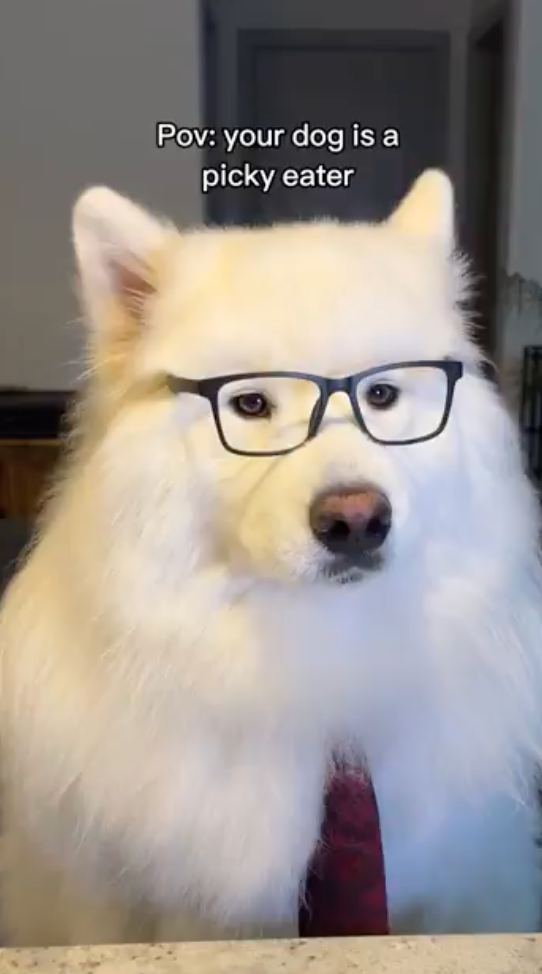
One of the first things we did with Jinx was to find them dog influencers. It made sense on paper: dog creators held the keys to Jinx’s target audience. We negotiated rates, contracts, and ideation, all without Jinx needing to lift a finger.
But the pet niche soon came with a big problem:
Securing exclusivity was notoriously difficult and expensive.
Many creators already had exclusivity terms baked into contracts with their other active partners. This meant a dog influencer could promote Jinx on a Tuesday and their competitor by Friday. This product flip-flop eroded consumer trust that Jinx couldn’t afford to lose.
Most brands’ impulse would’ve been to throw money at the creator to get exclusivity. But we came up with something different.
We suggested Jinx expand into lifestyle and family content—creators whose posts didn’t center around pets, but whose audiences were full of people who had them.
The results? Lifestyle creators outperformed dog creators—and earned a permanent spot in Jinx’s creator pool. Two years later, and they’re still in the mix, alongside disabled dog owners, foster dogs, and more.
If you’re a marketer for a brand saturated with competition, the question to ask isn’t “Who talks about my product”? but “Who talks to my customer?” Chances are, your next best opportunity is one vertical over.
Getting Ahead of Content Fatigue
This was the first of several pivots with Jinx. Not because our content wasn’t performing, but because here at Ubiquitous we watch for the ceiling before we hit it.
The “best practices” of today calcify within a year. Formats get saturated. Audiences fatigue. And the brands that wait for the numbers to drop before pivoting are always a step behind.
So when we noticed that Jinx was swimming in 'Day in The Life’ content, we switched gears fast.
First: Jinx’s internal team came up with new campaigns. From there, we made sure they’d hit as hard as possible. We did that by guiding creators towards a specific creative philosophy—one that not all brands are comfortable with, but that we’ve seen work time and again: low messaging, visual-first, and “weird” product placements.
From there, we:
- Doubled-down on creative freedom with few guardrails
- Encouraged creators to use trending audio and video formats
- Pushed for unconventional product placements that didn’t feel like ads
The results spoke for themselves:
- Build Your Best Bowl: We had 15 creators post 16 videos where they made their dog’s food bowl using Jinx’s products. This product-forward storytelling format landed Jinx 1.1M impressions and a 2.82% engagement rate in just two months.
- Jinx Cat Food: When Jinx expanded into cat food in February of this year, we sourced 16 creators to make 32 videos. The campaign generated 14.4M views, a 2.18% engagement rate, and dozens of rave comments.
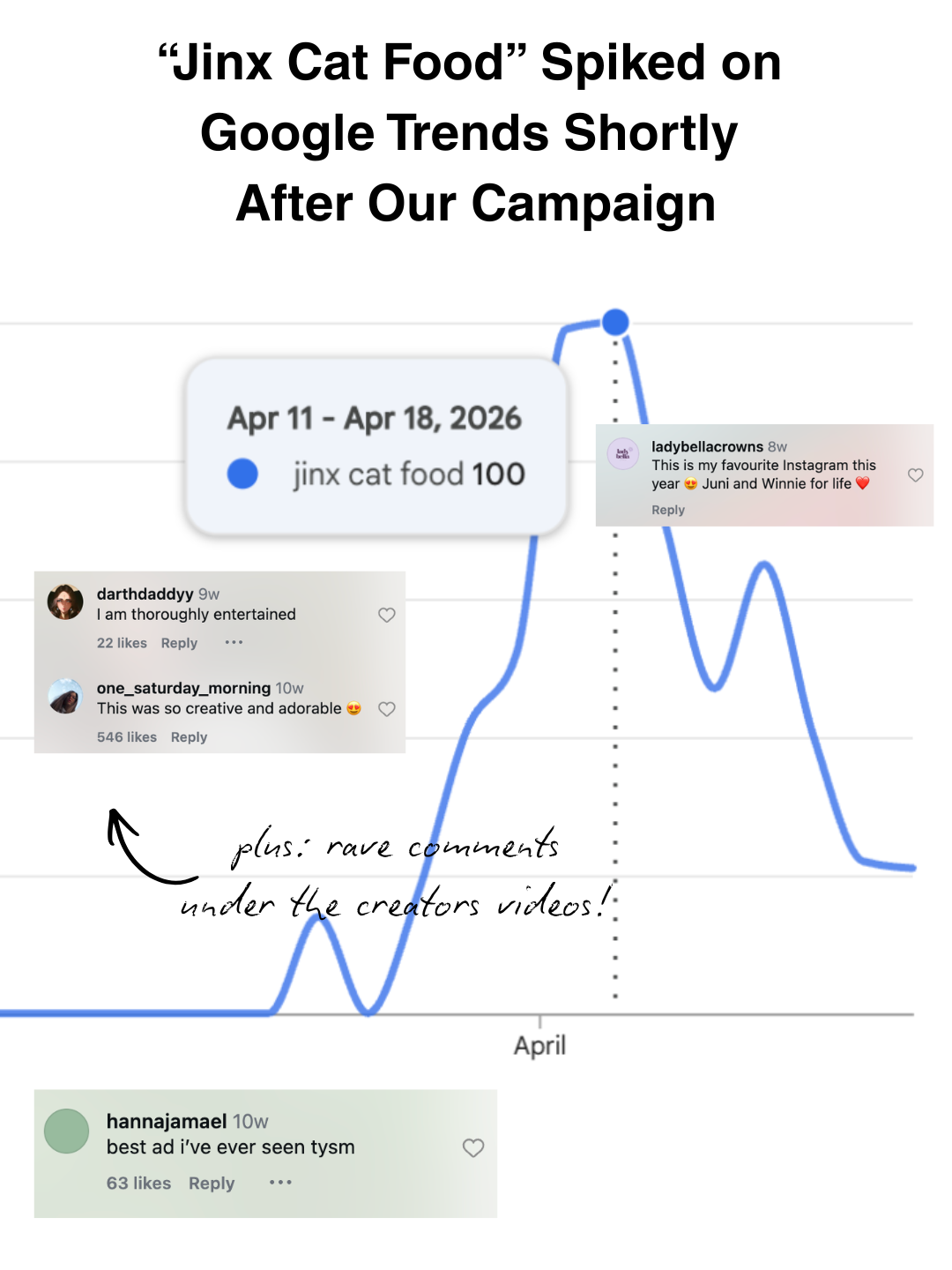
Over three years and multiple product launches, we sourced 117+ creators for Jinx, made hundreds of pieces of content, amassed 200M+ impressions, and hit a low $3 CPM.
Although we’re proud of those numbers, we know what you’re thinking:
“How do you know if this impacted online and in-store sales?”
The Attribution Gap: What Influencer Marketing Can and Can’t Tell You
It’s the question that keeps every CFO and CMO up at night. Welcome to: The Attribution Problem.™ Our honest answer? Attribution is a worthy metric—but also a misleading one.
As Rand Fishkin and Amanda Natividad write in Attribution is a Fool’s Errand: “If you have a killer…Instagram strategy, you better believe that’s powering a bunch of word of mouth and referrals you simply cannot track.”
Jinx knew this going in. When they launched in physical stores in 2022, they made peace with the fact that influencer marketing wouldn’t hand them a spreadsheet connecting every TikTok view into a sale.
Jinx saw influencer marketing for what it was: the modern equivalent of a television ad.
“We know people are spending more time on social media than they are watching TV. Influencer marketing is the new surface you need to be active on to make sure you have adequate 'mindshare' for your brand.” - Andrew Bankson, VP of Growth at Ubiquitous
While we can’t track the exact numbers, we do have a proven record that money spent on TikTok influencer marketing generates revenue beyond the platform itself.
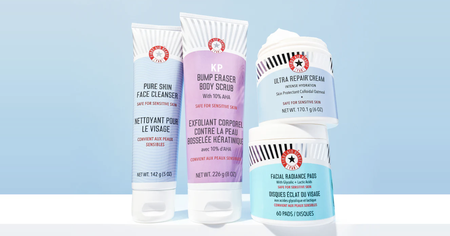
Our work with clients like First Aid Beauty, for example, found that every dollar spent on TikTok influencer marketing generated three dollars in revenue across other platforms—Amazon, Shopify, and retail.
That 3x return is what we call The Halo Effect. And for Jinx—a brand whose sales/revenue primarily come from retail at Walmart, Amazon, and Chewy—this halo effect is the connective tissue between views and sales.
Why Jinx Made Influencer Marketing a Permanent Chanel (Not Just a Campaign)
Jinx has a new goal of reaching $500 million in retail sales, and Ubiquitous is going to help them fetch it. 🦴
What’s made this partnership a success isn’t just the KPIs or content volume (though both are key). It’s the trust. As Cindy Chow, Senior Account Manager at Ubiquitous, puts it:
“The Jinx team trusts our expertise. They trust our judgement when we write our recommendations. And we’ve earned that by being honest with them—even when the news isn’t great—and turning every campaign into a lesson.”
As more brands attempt to use AI to automate their influencer campaigns, we’ve never been more confident here at Ubiquitous. Because the brands that win:
- Don’t rely on a sychophantic chatbot that only tells them what they want to hear (leading them to miss out on opportunities to improve).
- Have a team of creatives coming up with new thumb-stopping campaigns. (As the quote goes: “AI is data and data can only look backwards. Creativity looks forward.”)
- Understand it’s not “humans” versus “AI” but smart humans with taste empowered by AI. The dream team is AI that speeds up the manual processes but has a human at the helm that can truly “squint” at the data and always makes the final call.
Jinx is just getting started—and so are we. If you’re ready to build an ongoing program that compounds, let’s talk. 🤝